Antique Botanical Patterns: Vintage Design for Modern Projects
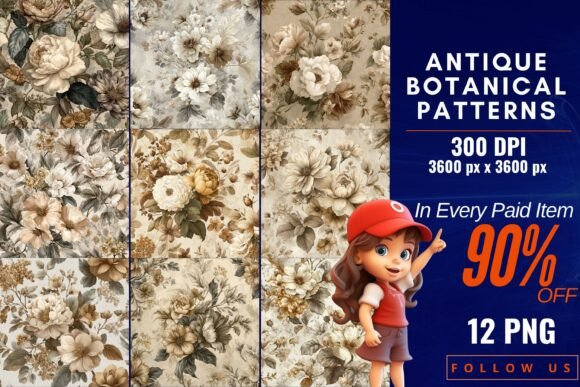
There’s a quiet confidence in designs that reference the past without feeling outdated. Antique Botanical Patterns captures this balance perfectly. It’s not a font, but a collection of seamless digital backgrounds that evoke the feel of aged botanical journals and heritage prints. Think of the delicate linework of 19th-century flora studies, the soft yellowing of old paper, and the subtle texture of time-worn pages. This set provides a sophisticated, organic foundation for projects that need depth, history, and a touch of natural elegance.
The Visual Language of Heritage Botanicals
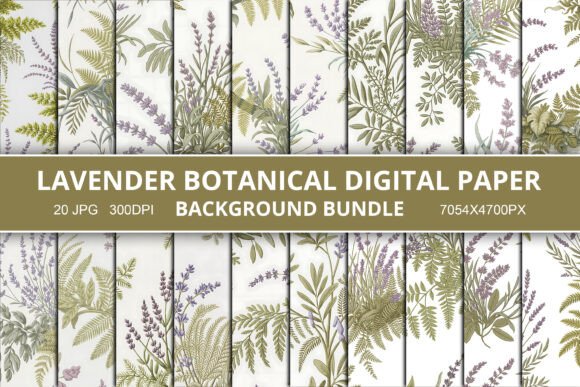
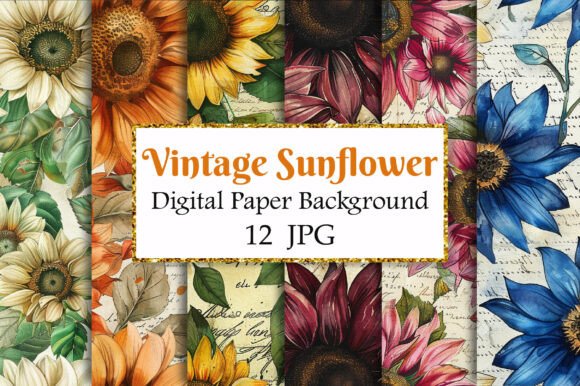
What makes these patterns resonate? It’s the combination of several visual elements working in harmony. The illustrations themselves are hand-drawn, featuring detailed leaves, ferns, and floral motifs with a slightly irregular, human touch. This avoids the sterile perfection of purely digital vectors. The color palette leans into muted, antique tones—think faded sage greens, dusty rose, and sepia-tinged creams. These aren’t bright, loud colors; they’re sophisticated and easy on the eyes, allowing other design elements like typography or product photography to take center stage.
The texture is equally important. Each pattern has an underlying aged paper quality, with subtle grain and slight discoloration that adds authenticity. This texture provides a tactile quality, even on a screen, making designs feel more tangible and crafted. The seamless format at a high resolution (300 DPI) means these backgrounds can be scaled for large projects without losing detail, from a small product tag to a full wall mural. The overall personality is one of refined nostalgia—elegant, knowledgeable, and connected to the natural world.
Practical Applications: Where These Patterns Shine
The versatility of Antique Botanical Patterns is one of its greatest strengths. For graphic designers and brand strategists, these backgrounds can establish a brand identity rooted in tradition and quality. Imagine a boutique skincare brand using one of the softer, leafier patterns on its packaging. It immediately communicates natural ingredients and artisanal care. A wedding stationery designer could use a more intricate floral pattern as the base for invitation suites, creating a cohesive and luxurious feel that sets the tone for the event.
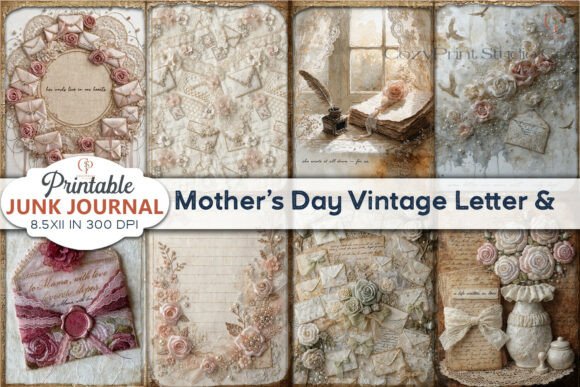
In editorial and publishing design, these patterns are invaluable. They can serve as beautiful chapter page backgrounds in books, especially for non-fiction works on history, gardening, or wellness. Bloggers and content creators can use them to create stunning social media graphics, Pinterest pins, or website headers that stand out in a feed of flat, minimalist designs. The patterns add visual interest without overwhelming accompanying text. For digital product creators, such as those designing printable planners or journal pages, these backgrounds transform a simple template into a premium, desirable product. The applications extend to wallpaper, fabric design, wrapping paper, and elegant product packaging for anything from artisanal chocolates to luxury candles.
Integrating Patterns into Your Design Workflow
Choosing the right pattern from the set is the first step. Consider the mood of your project. A dense, detailed fern pattern might be perfect for a book cover but could be too busy for a business card background. A simpler, more open floral motif often works better for smaller applications or where you need to layer a lot of text. Always test the pattern in context. Place your logo, headlines, and body copy over it to check for readability. The muted tones of the Antique Botanical Patterns are generally text-friendly, but you may need to adjust text color or add a subtle semi-transparent overlay to ensure maximum clarity.
Think about font pairing. These patterns have a classic, slightly romantic style. They pair beautifully with clean, modern sans-serif fonts for a contemporary contrast. A geometric sans-serif like Futura or a humanist one like Gill Sans can look striking against the organic patterns. For a more traditional feel, pair them with elegant serif fonts like Garamond or Baskerville. Script or handwritten fonts can also work, but use them sparingly for headlines or accents to avoid a cluttered look. The goal is to create a clear visual hierarchy where the pattern supports the content, not competes with it.
Making the Most of Your Asset
When evaluating these patterns for a project, consider the end use. For print projects like invitations or packaging, the 300 DPI resolution is ideal, ensuring crisp output. For digital use, the large pixel dimensions provide flexibility for cropping and scaling. The PNG format with transparency isn’t specified here, so assume the patterns are full backgrounds. This means you’ll be working with the pattern as a complete layer.
From a commercial perspective, understand the licensing. For entrepreneurs and small business owners creating products for sale—whether it’s printed goods, digital downloads, or branded merchandise—ensuring you have the proper commercial license is crucial. This collection is designed for such use, allowing you to incorporate these beautiful assets into your product line confidently. The key is to use them as one element within a larger design system. They provide the texture and character, while your typography, imagery, and layout provide the structure and message. By treating Antique Botanical Patterns as a foundational design asset rather than just a decorative touch, you can create cohesive, professional, and visually engaging work that tells a richer story.