Elevate Your Projects: The Power of Seamless Paper Texture Backgrounds
Every designer, marketer, or content creator knows the struggle: you have a brilliant concept, a sharp message, and a clear goal, but the final visual falls flat. The issue often isn't the foreground element—it's the canvas. A sterile, flat digital white can make even the best work feel generic. This is where the strategic use of Seamless Paper Texture Backgrounds transforms your work from digital to tangible, adding a layer of authenticity and tactile appeal that resonates deeply with viewers.
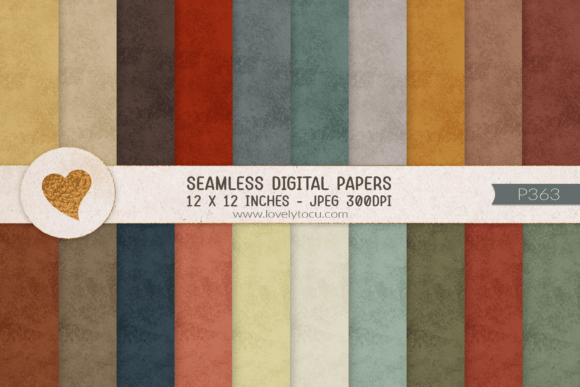
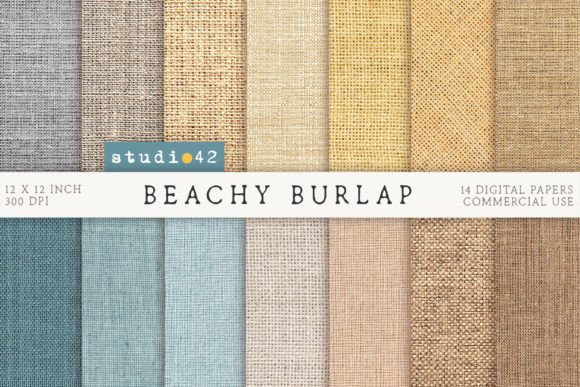
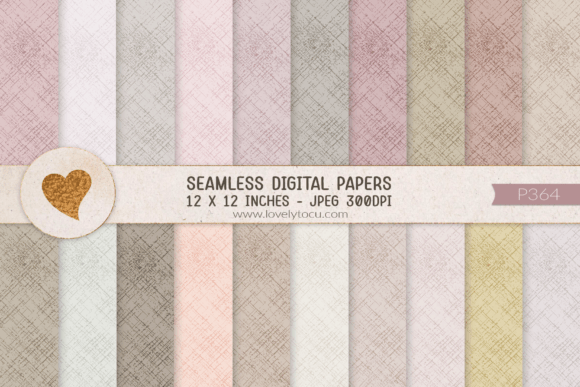
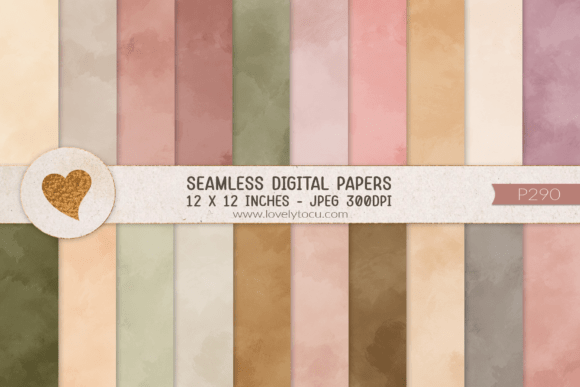
Imagine the subtle grain of handmade cotton paper, the soft, mottled surface of watercolor stock, or the faint, elegant fiber of a premium letterhead. These aren't just backgrounds; they are design assets that set a mood and establish a personality. The collection we're discussing provides 20 distinct, high-quality seamless papers. The "seamless" aspect is critical—it means the texture tiles perfectly without visible edges, allowing you to scale it to any size for a billboard or a social media icon without breaking the illusion of a continuous surface.
More Than a Background: Defining Visual Character
The true value of a seamless paper texture lies in its ability to communicate without words. A rough, recycled paper texture conveys eco-friendliness, artisanal craft, and authenticity. It’s perfect for a small business selling handmade goods, a blog focused on sustainable living, or a café's branding. Conversely, a smooth, bright white paper with a very subtle tooth suggests professionalism, cleanliness, and modernity, making it ideal for corporate presentations, tech startups, or minimalist web design.
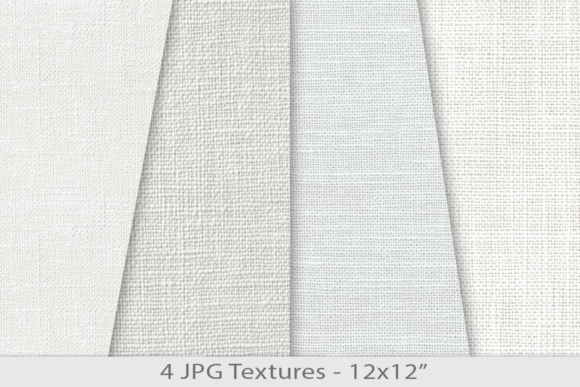
This is not about applying a filter. It's about choosing a design asset that aligns with your brand identity. The personality of the texture should mirror the personality of your message. For a wedding photographer, a soft, romantic linen texture adds warmth and luxury to portfolio layouts. For a children's book author, a playful, crumpled craft paper can evoke creativity and imagination. The texture becomes an silent ambassador for your brand's values.
Practical Applications Across Industries
The versatility of this resource is its greatest strength. Here’s how different professionals can leverage these seamless paper textures:
- For Branding & Marketing: Use textures as the foundation for logo design mockups, business cards, and letterheads. A consistent texture across all touchpoints—from your website's hero section to your email newsletter—builds a recognizable and cohesive brand identity.
- For Digital & Web Design: Break the monotony of flat UI. Apply a subtle paper texture as a website background, a card element in a dashboard, or a section divider. It adds depth and improves visual hierarchy, guiding the user's eye naturally. It also pairs wonderfully with both sans serif and serif typefaces.
- For Publishing & Editorial: E-books, digital magazines, and PDF reports gain immediate credibility with a textured background. It mimics the feel of a physical book or high-end print publication, enhancing readability and the reader's engagement by reducing digital eye strain.
- For Social Media & Content Creation: Stop your audience's scroll. A textured background makes quote graphics, promotional announcements, and tutorial snippets stand out in a feed of flat colors and stock photos. It adds a professional, curated look to your social media graphics.
- For Print on Demand & Sublimation: This is a direct, commercial application. These textures are ideal for creating all-over print designs for apparel, accessories, and home decor. The seamless nature ensures patterns repeat flawlessly on products like phone cases, throw pillows, and tote bags.
- For Paper Crafts & Hobbyists: Digital scrapbooking, card making, and DIY printables become more sophisticated. Use these as digital "paper" for layered compositions in Photoshop or Canva, adding realism to your personal projects.
Integrating Texture into Your Design Workflow
Adopting a new design asset should be intentional. Don't just slap a texture on everything. First, evaluate your project's fit. Ask: Does this texture support my message or distract from it? Is the style (e.g., vintage, modern, rustic) consistent with my overall design language?
Next, consider font pairings. A heavy, textured background demands a clean, legible typeface. A delicate, linen texture can support a more elegant script font or a fine serif. The key is contrast—let the texture be the stage, and your typography be the clear, focused performer. Test your chosen typeface over the texture at various sizes to ensure readability, especially for body copy.
Finally, understand the technical and legal side. The "20 seamless papers" provide a robust starting palette. Review each one to see the range—from subtle to pronounced, from warm to cool. For any commercial use, from a client project to a print on demand store, verify the licensing. A reputable resource will provide clear terms, allowing you to use these assets confidently in commercial work, protecting both you and your client.
In a digital world saturated with perfect vectors and smooth gradients, the organic feel of paper texture backgrounds offers a powerful point of difference. It’s a simple yet profound way to inject soul into your work, connect on a human level, and elevate the perceived quality of your entire project. It’s not just a background; it's the foundation of a more compelling visual story.