The Botanical Soul of Wild Flower Watercolor Painting Paper
There's an unmistakable quality to watercolor that digital design often struggles to replicate—the soft bleed of pigment into wet paper, the organic texture of fibers catching color, the happy accidents that make each brushstroke unique. Our Wild Flower Watercolor Painting Paper Collection captures this essence with remarkable authenticity. Each sheet in this digital paper set brings the warmth of hand-painted botanicals to your screen, offering designers and creators a versatile foundation for projects that need to feel both artistic and approachable.
Understanding the Visual Character
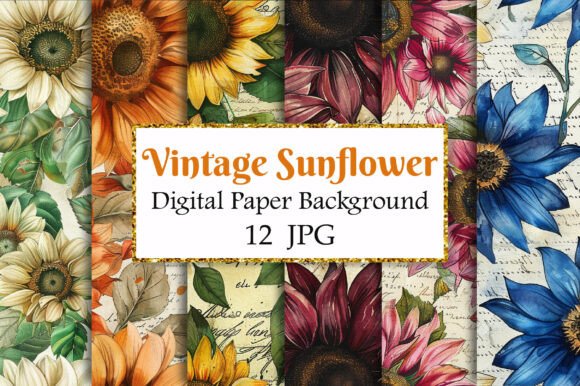
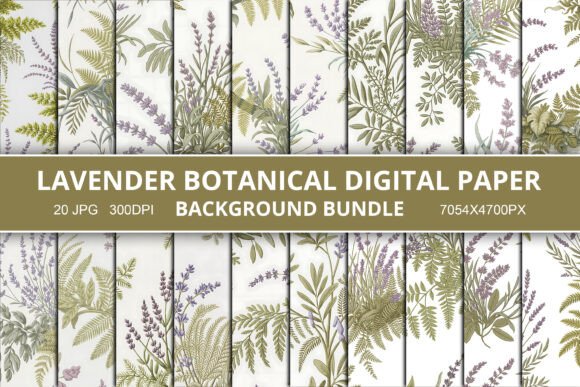
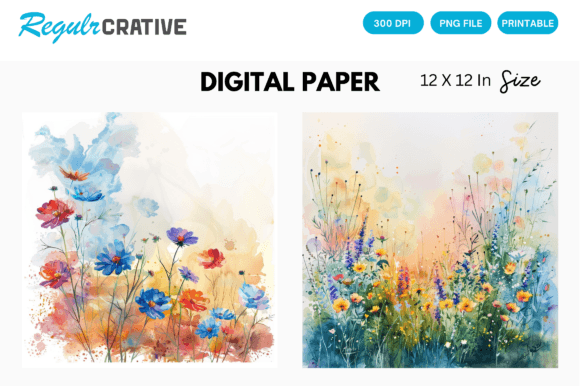
These aren't sterile, perfectly uniform digital patterns. The Wild Flower Watercolor Painting Paper designs carry visible brushstrokes, subtle color variations within single petals, and the kind of gentle imperfections that signal genuine craftsmanship. The palette tends toward soft, natural tones—think muted greens, dusty roses, and earthy neutrals that work across seasons and styles. Whether you're drawn to the delicate daisy patterns or the bolder peony compositions, each piece maintains that handcrafted quality that separates premium design assets from generic templates.
The visual personality strikes a balance between vintage charm and contemporary relevance. You'll notice influences from classic botanical illustration, but filtered through a modern sensibility that avoids feeling dated or overly traditional. This makes the collection particularly useful for brands and projects targeting audiences who appreciate authenticity without sacrificing clean, professional aesthetics.
Where These Papers Excel in Real Projects
Scrapbooking remains an obvious application, but the real strength of Wild Flower Watercolor Painting Paper extends well beyond personal memory books. Consider these practical uses across different creative fields:
- Brand Identity and Packaging: Small businesses in wellness, beauty, artisan food, or boutique retail often need backgrounds that communicate natural ingredients or handcrafted quality. These floral textures provide that visual shorthand without requiring custom illustration budgets.
- Editorial and Publishing: Magazine layouts, book covers, and newsletter designs benefit from botanical backgrounds that add depth without competing with typography. The watercolor style particularly suits genres like lifestyle, gardening, memoir, and contemporary fiction.
- Digital Marketing and Social Media: Instagram posts, Pinterest graphics, and Facebook ads gain immediate visual interest when layered over textured floral backgrounds. The high resolution ensures crisp results whether you're designing for screens or print materials.
- Web Design Elements: Website headers, blog post featured images, and email marketing templates can incorporate these papers as subtle backgrounds or accent elements, adding personality to otherwise flat digital layouts.
- Print-on-Demand Products: Stationery, greeting cards, journal covers, and art prints represent strong commercial applications, especially given the licensing terms that allow both personal and commercial use.
Technical Specifications That Matter
The 12" x 12" dimensions at 300 DPI translate to 3600 x 3600 pixels—more than adequate for most print and digital applications. PNG format preserves the transparency and color accuracy that watercolor effects demand. These aren't compressed JPEGs with visible artifacts; they're production-ready files designed for serious creative work.
Making Smart Design Decisions with Floral Assets
Working with botanical backgrounds requires thoughtful restraint. The Wild Flower Watercolor Painting Paper collection works best when you let it breathe—pairing these rich textures with clean sans serif typography, generous white space, and simple layouts that don't fight for attention. A busy floral background combined with ornate script fonts and multiple competing elements creates visual chaos rather than compelling design.
Think about contrast and hierarchy. If you're using a detailed rose pattern as your primary background, your text needs sufficient contrast and weight to remain readable. Testing your designs at actual size—and across different devices if targeting digital use—prevents accessibility issues that undermine even the most beautiful visual concepts.
Color coordination deserves careful attention too. Rather than introducing additional bright hues, consider pulling accent colors directly from the watercolor papers themselves. This creates visual cohesion and prevents the disjointed feeling that comes from combining unrelated color palettes.
Font Pairing Considerations
Botanical watercolor backgrounds pair naturally with certain typeface families. Clean sans serif fonts like modern geometric or humanist styles provide excellent contrast against the organic texture. Serif fonts with moderate weight and traditional proportions complement the vintage floral aesthetic without creating visual competition. For accent text or headers, a simple script font or handwritten typeface can echo the handcrafted quality—but use these sparingly and at appropriate sizes to maintain readability.
Commercial Use and Licensing Clarity
The licensing terms here are straightforward and creator-friendly. Both personal and commercial projects are permitted, which opens significant opportunities for entrepreneurs and small business owners developing product lines, marketing materials, or client work. The restriction on reselling the actual files themselves is standard practice that protects both the original creator and the integrity of your designs.
Before committing to any design asset collection for commercial work, verify that the licensing aligns with your specific use case. Print-on-demand platforms, merchandise production, and client deliverables sometimes involve additional considerations that generic licensing may not address. When questions arise, reaching out directly—as the collection notes encourage—ensures you're working within appropriate boundaries.
Building a Cohesive Creative Toolkit
Wild Flower Watercolor Painting Paper works best as part of a broader design system rather than a standalone solution. Combine these botanical textures with complementary solid colors, simple geometric elements, and well-chosen typography to create professional results that feel intentional rather than template-dependent. The collection's versatility across seasons—spring tulips, summer daisies, autumn-toned botanicals—makes it a reliable year-round resource for creators who need consistent quality across multiple projects and client needs.
The true value of any design asset lies not in its individual beauty but in how effectively it serves your creative goals and resonates with your intended audience. These watercolor papers offer that rare combination of artistic authenticity and practical versatility that makes them worth integrating into your regular design workflow.