Unlocking Creativity with Cork Texture Seamless Backgrounds
The Visual Personality of Cork: More Than Just a Surface
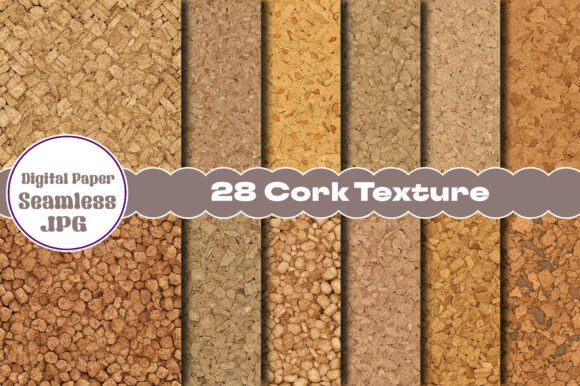
There’s an immediate, tactile quality to cork that digital design often misses. It’s not just a color; it’s a feeling—organic, warm, and subtly textured. Our Cork Texture Seamless Backgrounds capture this essence perfectly. Imagine the intricate, natural grain of real cork, but infused with a modern, vibrant palette. We’re talking bright shades of pink, teal, orange, and yellow that pop against the familiar, earthy base. This isn’t your average, dull bulletin board material. It’s a celebration of texture and color, designed to feel both authentic and energetic.
The personality of these patterns is distinctly versatile. They carry a sense of handmade charm and natural imperfection, which makes them incredibly approachable. Yet, the seamless nature and high-resolution detail (a crisp 300 dpi) ensure they look polished and professional. This duality is key. The texture adds depth and visual interest without overwhelming the content placed on top of it. It provides a background with character, one that can support a wide range of design styles, from rustic and crafty to modern and bold.
Where Cork Textures Truly Shine: Practical Applications
Understanding the aesthetic is one thing; knowing where to deploy it is where the real value lies for designers, marketers, and creators. These backgrounds excel in projects where you need to inject personality, warmth, and a touch of organic realism.
- Branding & Marketing Materials: For small businesses, especially those in artisanal goods, wellness, or eco-friendly spaces, these textures are a goldmine. Use them as the foundation for product labels on candles, soaps, or gourmet foods. They instantly communicate a handmade, authentic brand identity. A logo design incorporating a cork texture element can stand out in a crowded market. They’re also perfect for social media graphics—think Instagram story backgrounds or Facebook post templates—that need to feel warm and engaging rather than sterile.
- Publishing & Editorial Design: In editorial design, cork can serve as a compelling background for magazine spreads, especially in lifestyle, home decor, or food sections. For publishers and bloggers, it creates distinctive website headers, newsletter backgrounds, or digital media kits that break the monotony of flat colors. The seamless pattern ensures it tiles flawlessly for any digital or print layout.
- Packaging & Product Design: This is where the texture moves from digital to physical. Packaging design for subscription boxes, gift sets, or retail products gains an instant premium feel. Imagine a wine bottle label or a coffee bag sleeve with a cork texture base—it tells a story of quality and care before the product is even opened.
- Crafts & Personal Projects: The applications here are wonderfully broad. The patterns are designed for sublimation graphics, making them ideal for creating custom tote bags, pillows, and notebook covers. They’re perfect for digital scrapbooking, decoupage on small journals, or even designing party supplies like napkins and plates. For the home, they can be printed as custom wallpaper for an accent wall or used to create unique gift wrap.
Integrating Cork Texture into Your Design Workflow
Having a beautiful asset is great, but integrating it effectively is what separates good design from cluttered design. Here’s some practical guidance on making these backgrounds work for you.
Evaluating Project Fit and Readability
Before you start, ask: Does this project benefit from an organic, textured feel? Cork textures add visual complexity, so they work best when paired with cleaner elements. The biggest consideration is readability. Because the background has detail, any text or logos placed over it need sufficient contrast. Using a solid color block, a slight overlay, or choosing areas of the texture with less pronounced grain can help. Always test your typography on the background at the final output size to ensure legibility, especially for smaller text like product descriptions or captions.
Mastering Font Pairings and Hierarchy
The texture itself is a strong visual element, so your typography needs to complement it, not compete with it. A serif font with a classic, sturdy feel can anchor the design beautifully, lending a timeless quality. A clean, sans serif font offers a modern contrast that keeps the overall look fresh and readable. For a more playful or artisanal vibe, a script font or handwritten font can be used sparingly for headlines or logos. The key is visual hierarchy. Use the cork texture to create a cohesive mood, but let your typography—through size, weight, and color—guide the viewer’s eye to the most important information.
Leveraging the Digital Asset
You’re receiving a professionally packaged product. Each file is a high-resolution (300 dpi), 12x12 inch (3600x3600 pixels) JPG in RGB color mode, optimized for digital and print. The seamless nature means you can tile the pattern to fill any size canvas without visible seams, a huge time-saver. The zipped folder makes organization simple. Remember, as a digital design asset, its utility is limited only by your imagination. Use it as a base in your web design mockups, layer it in Photoshop for complex compositions, or import it directly into Canva for quick social media posts.
Ultimately, these Cork Texture Seamless Backgrounds are more than just a pretty pattern. They are a versatile tool for building a distinctive brand identity, enhancing visual storytelling, and adding a layer of professional, tactile quality to any project. By understanding their personality and applying them thoughtfully, you can transform ordinary designs into memorable experiences that resonate with your audience.