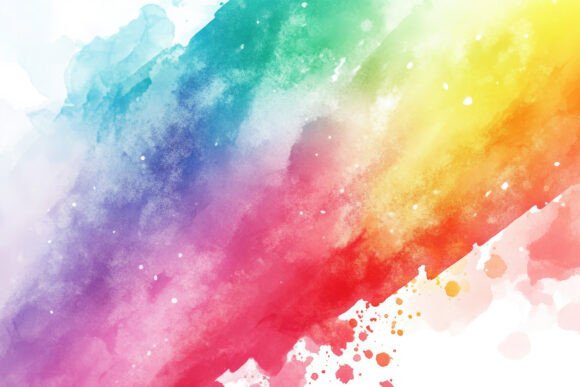
Watercolor Rainbow Background: A Designer's Guide to Vibrant Visuals
There's a distinct kind of energy that a watercolor rainbow background brings to a project. It’s not just a splash of color; it’s a blend of artistic warmth and digital precision that can transform the ordinary into something memorable. This particular asset, a high-resolution JPG file, captures the fluid, organic beauty of watercolor with the rich spectrum of a rainbow. The colors bleed into each other with a soft, natural gradient, avoiding the harsh lines of digital vector art. It feels hand-painted, yet it’s delivered with the crispness of a 5824 x 3264 pixel file. This combination of artistic charm and technical quality makes it a versatile tool for creators who need their work to feel both authentic and professional.
The Visual Character: More Than Just a Gradient
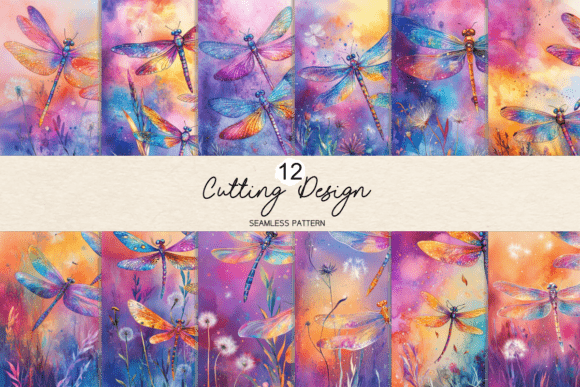
What sets this Watercolor Rainbow Background apart is its texture and personality. You can see the subtle paper grain showing through the pigment, and the way the colors mix at the edges creates a sense of depth and movement. It’s not a flat, sterile rainbow; it has a human touch. This makes it incredibly effective for projects that aim to connect on an emotional level. The palette is typically vibrant yet balanced, avoiding oversaturation. It can evoke feelings of joy, creativity, and optimism without being overwhelming. This kind of background works as a powerful foundation, allowing foreground elements—whether text, a logo, or product imagery—to pop with clarity and purpose.
In practical terms, the large dimensions and print-ready quality are significant. You can use this asset for a small web banner or scale it up for a poster or trade show display without losing integrity. The JPG format ensures compatibility and relatively small file sizes for web use, while the high resolution guarantees sharp results in print. It’s a design asset built for real-world application, where projects jump between screens and physical materials.
Where This Background Truly Shines
Think of this background as a creative chameleon. Its applications span a wide range, limited mostly by imagination. For brand identity, it can serve as a dynamic backdrop for a logo presentation, giving a startup or a creative business an immediate sense of vibrancy and approachability. In packaging design, especially for products aimed at children, wellness, or the creative market, it can make a product stand out on a shelf with its joyful aesthetic.
In the digital realm, it’s a powerhouse for social media graphics. Imagine an Instagram story promoting a workshop, a Facebook event cover for a festival, or a Pinterest pin for a DIY tutorial. The watercolor rainbow instantly grabs attention in a crowded feed. For web design, it can be used as a hero section background, setting a welcoming tone for a homepage or a landing page. Bloggers and publishers can use it to create compelling featured images that draw readers into articles about creativity, design, or personal growth.
It also has a strong place in personal projects. Crafters can use it for digital scrapbooking, custom invitations, or printable wall art. The fact that it’s a print ready file means the invitation you design on your laptop will look just as vibrant when printed for a birthday party. For entrepreneurs, it can enhance presentations, pitch decks, or email headers, making internal and external communications feel more polished and engaging.
Making It Work: Practical Considerations
Using a bold background effectively requires some strategy. The first rule is contrast. Because the background is rich and detailed, any text or graphic placed over it must be highly legible. Opt for clean, sans serif fonts or bold serif fonts in white or a very dark, solid color. Avoid thin, delicate typefaces that might get lost. Creating a semi-transparent overlay box or using a solid shape behind your text can also ensure readability while letting the background’s beauty peek through.
Consider the mood you want to set. This background is inherently energetic and positive. It’s perfect for a children’s brand, a creative agency, a yoga studio, or a personal blog focused on art. It might be less suited for a corporate law firm or a luxury watch brand that relies on minimalism and restraint. Always align your visual assets with the core personality of the project.
When it comes to font pairing, this background pairs well with both modern and classic typefaces. A geometric sans serif can look crisp and contemporary against the organic watercolor. A elegant serif can create a beautiful contrast between traditional typography and modern art. The key is to keep the typography system simple and strong. You likely won’t need a script font or a handwritten font here, as the background already provides plenty of artistic flair. Let the background be the star, and use typography as a clear, supporting player.
Finally, always check the licensing. Since this is a premium font—or in this case, a premium design asset—ensure its license covers your intended use, whether for personal projects, commercial client work, or merchandise. Reputable sources will make this clear. Investing in properly licensed assets is a cornerstone of professional work and protects you and your clients.
In essence, a Watercolor Rainbow Background is more than a decorative element. It’s a versatile tool for injecting life, creativity, and professionalism into a multitude of projects. Used thoughtfully, it can elevate a design from mundane to magical, making your work—and your message—unforgettable.