Black and White Backgrounds: A Monochrome Collection for Modern Design
The Enduring Power of Monochrome
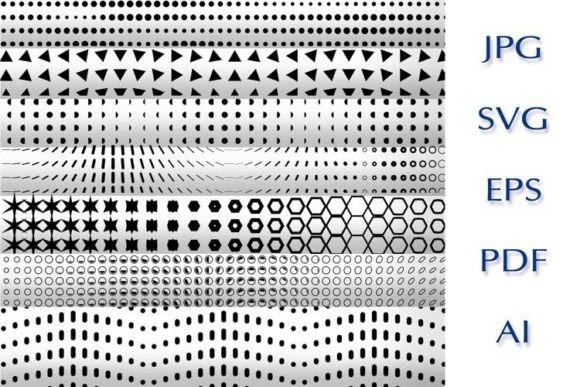
In a digital landscape saturated with vibrant gradients and complex color palettes, the deliberate choice of a black and white background is a statement of clarity and focus. This specific collection, featuring seven distinct black and white backgrounds, taps into a fundamental design principle: constraint breeds creativity. The archive isn't just a set of images; it's a toolkit for building visual hierarchy, texture, and mood without the distraction of color. The included files—high-resolution JPGs, scalable SVGs, editable EPS/AI vectors, and print-ready PDFs—provide the flexibility needed for everything from a quick social media graphic to a large-format print project. It’s a practical asset for any designer’s library, offering foundational elements that work across countless applications.
The personality of this collection leans into a modern, slightly grungy aesthetic. The "grunge halftone vector background" and "distressed overlay texture" elements introduce a tactile, handcrafted quality that feels less sterile than a perfect digital gradient. The "abstract pattern with circles, waves, shapes" and "dot texture" variations offer a more geometric and clean alternative. This duality is key. You’re not just getting one style; you’re getting a spectrum of monochrome expression—from the raw and edgy to the structured and minimalist. This allows a single creative professional to maintain a cohesive visual language across different projects or client needs without searching for entirely new assets each time.
Practical Applications Across Creative Projects
So, where does a black and white background truly shine? Its versatility is its greatest strength. For brand identity work, especially for startups and personal brands, a textured monochrome backdrop can establish a sophisticated, timeless foundation. It lets your logo, typography, and product photography take center stage. Imagine a coffee roaster’s website using a subtle dot texture behind product shots, or a consultancy firm using a halftone pattern in their presentation decks. It communicates professionalism and intentionality without saying a word.
In the realm of editorial design and packaging design, these backgrounds are invaluable. They can add depth to a magazine layout, create visual separation in a multi-page report, or give a product label an artisanal, tactile feel. The distressed overlay texture is particularly useful for adding a layer of authenticity or a vintage vibe to packaging for goods like craft beer, boutique stationery, or organic skincare. For web design, a carefully chosen, high-resolution background can break up long-form content, highlight a specific section like a newsletter signup, or serve as a hero image that loads faster than a complex photograph. The vector files ensure it remains crisp on any screen size.
Marketers and content creators will find these assets essential for social media graphics. A consistent background style can become part of a recognizable visual brand on platforms like Instagram or Pinterest. Using a simple wave pattern behind quote cards or a circle-based abstract shape for webinar announcements creates a cohesive feed that looks curated and professional. For bloggers and publishers, these backgrounds can enhance featured images, create custom dividers, or design eye-catching Pinterest pins that stand out in a busy feed. The key is using the texture to add interest, not to compete with the main message.
Integrating Texture with Typography and Design Assets
A background is never just a background; it’s the stage upon which your other design elements perform. When working with textured black and white backgrounds, your choice of typography becomes even more critical. A highly detailed grunge halftone might clash with an overly ornate script font, making text illegible. Instead, pair it with a clean, bold sans serif font for headlines or a sturdy serif font for body copy. The contrast between the organic texture and the structured type creates dynamic visual hierarchy. For the cleaner dot or circle patterns, you have more freedom to experiment with more expressive display fonts or handwritten fonts, as the background won’t overwhelm them.
Think of these backgrounds as part of a larger system of design assets. They should work in harmony with your color scheme, imagery, and other graphic elements. If your brand uses a specific accent color, test how it pops against the monochrome texture. Often, a single accent color against a black and white backdrop can be more powerful than a full color palette. This approach reinforces brand recognition and ensures consistency across all touchpoints, from your website to your business cards. The included vector formats are a major advantage here, allowing you to scale, recolor, and modify the patterns directly in Adobe Illustrator to perfectly match your project's needs.
Before committing to a background for a major project, always test it in context. Place your logo, key text blocks, and primary imagery on top of it. Check the readability at both large and small scales. Does the texture create too much visual noise when viewed on a mobile phone? Does it print clearly on your chosen paper stock? The high-resolution JPGs (7700 x 5500 pixels) are ideal for print and detailed digital work, while the SVGs and PDFs ensure quality for screen and various print processes. This due diligence is what separates a good design from a great one. The true value of this black and white background collection lies in its ability to provide a consistent, high-quality starting point that you can adapt, ensuring your final output is both beautiful and functionally effective.