Shabby Chic Gingham Backgrounds: A Vintage Touch for Modern Crafts
Understanding the Aesthetic of Shabby Chic Gingham
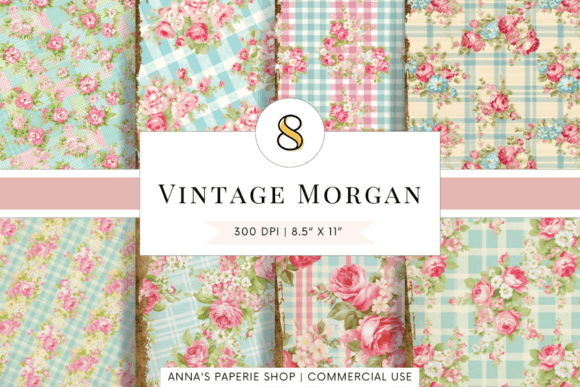
There’s a certain warmth that comes with looking at a well-loved quilt or a sun-faded tablecloth from a country kitchen. That specific feeling—nostalgic, soft, and inviting—is exactly what the Morgan collection captures with its Shabby Chic Gingham backgrounds. For designers and crafters, gingham is a universal signifier of comfort, but when you apply a "shabby chic" filter to it, the pattern transforms. It stops looking like a picnic blanket and starts looking like design assets with history.
Visually, these backgrounds are characterized by their worn texture. The grid lines of the gingham aren't sharp or digitally perfect; they are slightly blurred or distressed, mimicking the look of cotton fibers that have been washed many times. The color palette usually leans towards muted pastels—think dusty rose, sage green, or antique cream—rather than bright primary colors. This specific style of retro imagery is incredibly versatile because it provides a visual "noise" that is pleasing to the eye without being distracting. It creates a canvas that feels tactile. When you hold a printout of one of these 300 DPI JPGs, you can almost feel the ridges of the fabric, which adds a layer of sensory experience to any physical craft project.
Practical Applications for Junk Journals and Branding
When we talk about using the Shabby Chic Gingham Backgrounds, Retro collection, the most immediate application is in the world of paper crafting. If you are a junk journaler, you know that finding a background that doesn't overpower your ephemera is crucial. These backgrounds are perfect for creating vintage hang tags or layering behind photographs. Because the gingham pattern is a classic design, it pairs exceptionally well with other vintage elements like lace, burlap, and sepia-toned photography. It acts as a bridge between chaotic collage elements, providing a cohesive structure to your pages.
However, the utility of these backgrounds extends far beyond the craft table. For small business owners and brand strategists, texture is a powerful tool in brand identity. Consider a boutique bakery or a handmade soap company. Using a flat, solid color for your packaging design or social media graphics can sometimes feel sterile. By incorporating a Shabby Chic Gingham background, you instantly communicate a message of "homemade," "organic," and "carefully crafted" without writing a single word. It influences brand perception immediately, suggesting that your product is made with traditional values and attention to detail.
In the realm of digital marketing, these textures are invaluable. They can be used as subtle backgrounds for quote graphics on Instagram or as headers for a lifestyle blog. The retro aesthetic is currently seeing a massive resurgence in web design, where developers are moving away from rigid, flat design and reintroducing depth and texture. A shabby chic gingham can serve as a non-distracting background for a landing page, adding warmth that encourages visitors to stay longer and engage with the content.
Technical Quality and Print Readiness
One of the biggest frustrations for content creators and graphic designers is finding a beautiful texture online only to realize it is too small to print or too low-resolution for a high-quality banner. The Morgan collection solves this problem with professional-grade specifications. At 300 DPI, these images are press-ready. This resolution is the industry standard for high-quality printing, ensuring that the fine details of the "distressed" texture remain crisp and do not pixelate when transferred to paper.
The format—8.5" x 11"—is designed specifically for the end-user who prints at home or in a studio. You don't need to crop or resize the files to fit standard letter-sized paper, which streamlines the workflow for those creating junk journals, planners, or card making kits. Whether you are using a professional laser printer or a standard inkjet, the JPG format ensures compatibility while maintaining the color integrity of those soft, retro hues.
Pairing and Composition Strategies
To get the most out of these design assets, you need to think about composition. Because the gingham is a geometric pattern, it provides a natural grid. This makes it an excellent anchor for asymmetrical layouts. If you are designing a page in your planner or a layout for a marketing brochure, use the lines of the gingham to align your text blocks or images. This creates a subconscious sense of order and professionalism.
When it comes to font pairing, the "shabby chic" style suggests a specific direction. While these are backgrounds and not typefaces, they interact with text in a specific way. Avoid using overly modern, geometric sans serif fonts directly on top of the gingham, as the contrast can be too jarring and feel disjointed. Instead, opt for serif fonts with a bit of character, or script fonts and handwritten fonts that mimic the organic feel of the background. For example, a elegant, flowing script font in a dark charcoal color looks stunning against a dusty pink gingham background. It maintains the romantic, vintage vibe while ensuring the text remains legible.
Maximizing Value in Commercial Projects
For entrepreneurs and marketers, the value of a resource like the Morgan collection lies in its adaptability across different mediums. It is not just a digital background; it is a premium font of texture. You can use these backgrounds to create a consistent visual hierarchy across your brand materials. Imagine your business cards have a subtle gingham texture on the back, your website has a gingham header, and your product tags are printed on gingham-patterned paper. This consistency builds brand recognition and makes your business look established and thoughtful.
Furthermore, these backgrounds are excellent for editorial design. If you are self-publishing a book, a cookbook, or a magazine, using shabby chic gingham as chapter dividers or sidebar backgrounds can break up the monotony of text-heavy pages. It adds a tactile element to the reading experience that engages the audience on a different level.
Ultimately, the Shabby Chic Gingham Backgrounds, Retro